
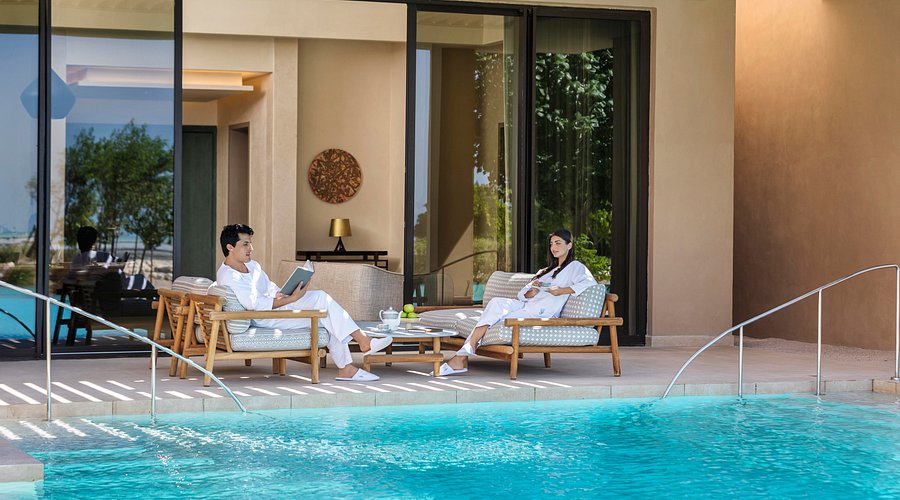
Wellness resorts often present a similar collection of images: healthy meals, attractive pools, fitness sessions and tranquil treatment rooms. The reality behind those images can vary considerably. Travellers comparing health resorts in Phuket should look past the list of facilities and focus on the type of programme, level of professional support and amount of structure they actually want.
A resort centred on relaxation may not suit someone looking for challenging fitness. Equally, a highly disciplined training camp may feel overwhelming to a guest who needs rest and gentle recovery.
Identify the Philosophy Behind the Programme
Some resorts follow a fixed timetable in which guests train and eat together. This structure can help people who want accountability and fewer daily decisions.
Others allow guests to create an individual schedule from classes, treatments and consultations. That flexibility suits travellers who want a wellness element within a broader holiday.
Medical wellness programmes may include clinical assessments, while fitness retreats focus more heavily on exercise and coaching. Spa-led resorts often prioritise relaxation, treatments and stress reduction.
The right model depends on the reason for travelling. A guest should know whether they want change, performance, recovery or simply a healthier break.
Check Who Is Delivering the Advice
A programme can sound professional without explaining the qualifications of the people involved.
Fitness sessions should be led by coaches who understand technique and adaptation. Nutrition support should remain within the provider’s expertise, particularly when guests have medical conditions or complex dietary requirements.
Where medical services are offered, the resort should make clear who is responsible, what the consultation includes and how results are followed up.
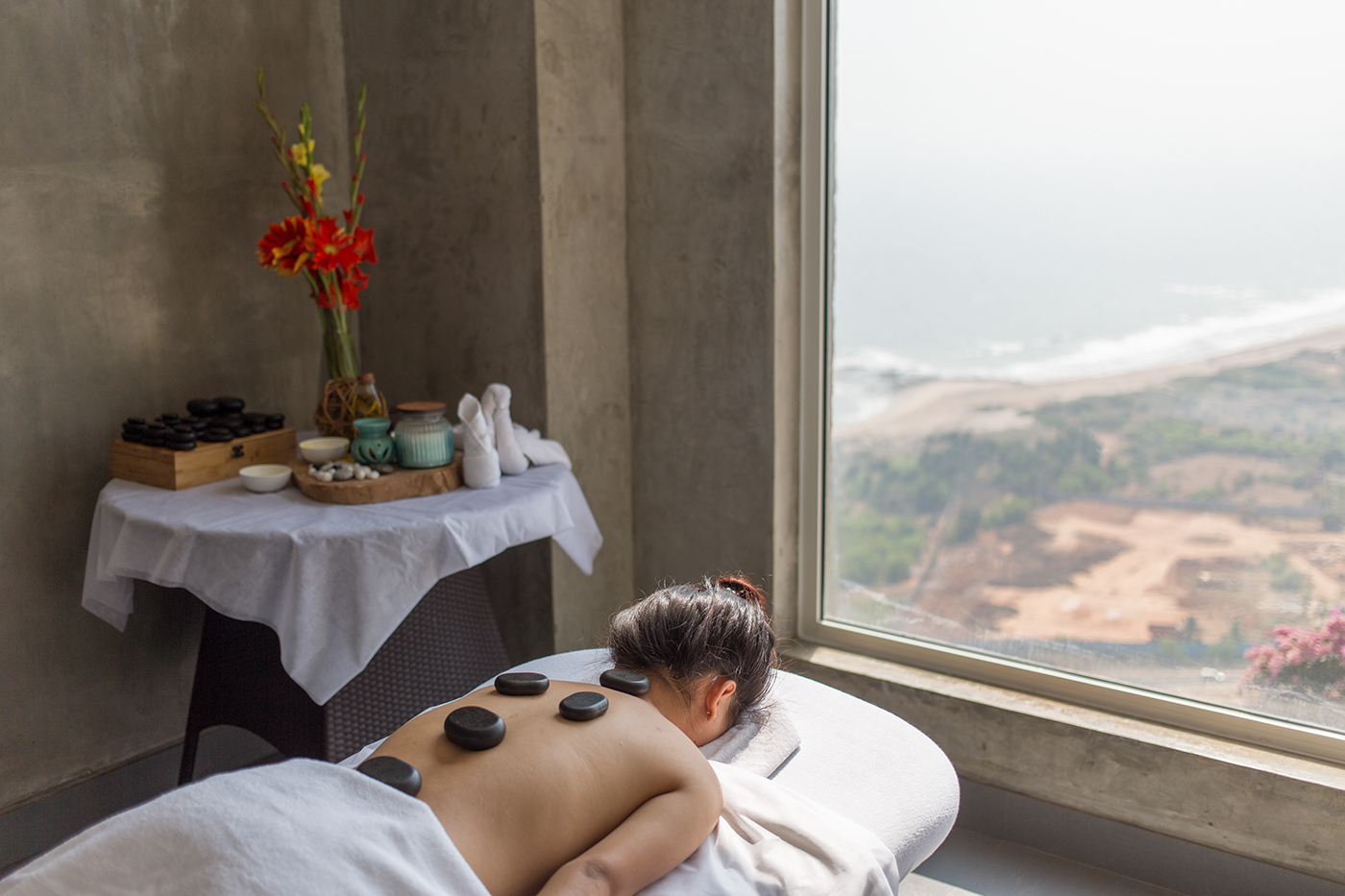
Staff-to-guest ratio matters too. Large groups can provide energy and social connection but may offer limited individual feedback. Smaller programmes may feel more personal, though they can provide fewer classes.
Consider the Setting as Part of the Programme
A secluded property can help guests disconnect, but it may also make independent meals, shopping or sightseeing difficult. A more central location offers freedom while introducing more temptation to skip the programme.
The layout of the resort should be considered. Steep paths, numerous steps and long distances between rooms and facilities can add unexpected physical demand.
Training spaces need suitable shade, ventilation and weather alternatives. A beautiful outdoor area is less useful when it becomes uncomfortable during the hottest part of the day.
Recovery spaces also matter. A guest should have somewhere to rest that does not involve returning to bed after every session.
Compare Value Through the Experience
The cheapest nightly price may exclude meals, training or assessments. A higher rate may include all of these and provide better overall value.
The schedule should contain enough substance without relying on quantity. Several well-coached sessions can be more useful than a packed timetable of rushed classes.
Cancellation terms are worth checking because injury, illness and travel changes can affect participation.
The best resort is not the one with the longest brochure. It is the one whose philosophy, people and setting fit the guest’s purpose. Clarifying that purpose first makes the rest of the comparison far more straightforward.