
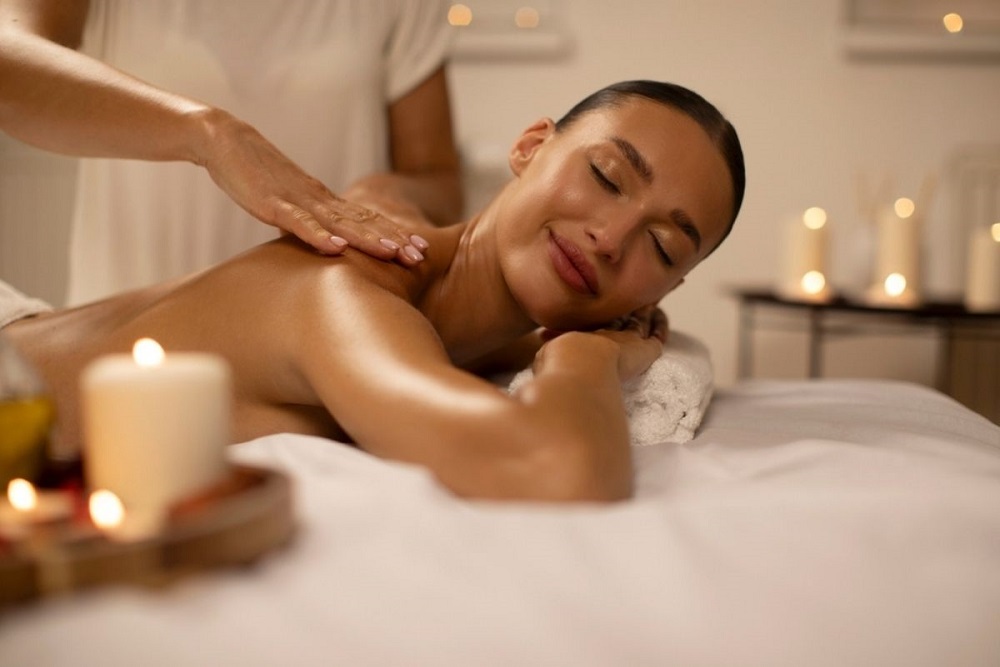
In the high-end wellness industry, true luxury extends far beyond marble floors, expensive imported oils, and high-tech hydrotherapy tubs. While beautiful design creates an inviting backdrop, the hallmark of an extraordinary spa is its service culture. Exceptional service transforms a standard treatment into a memorable journey that nurtures the mind, body, and spirit.
Creating an authentic luxury spa experience requires meticulous attention to detail, high emotional intelligence, and an unwavering commitment to personal care. Every point of contact—from the initial booking process to the post-treatment follow-up—must reflect warmth, discretion, and effortless precision.
The Foundations of High-End Service Standards
Luxury is ultimately defined by how a client feels throughout their visit. Delivering high-caliber hospitality requires establishing clear service protocols that prioritize anticipation over reaction. Staff members must be trained to read subtle cues, understand individual preferences, and adapt seamlessly to every guest’s needs.
Anticipatory Service and Emotional Intelligence
The core of luxury service lies in anticipation. A client should rarely need to ask for a warmer blanket, a glass of water, or a quiet space to rest. Staff members who cultivate high emotional intelligence observe subtle body language, vocal tones, and energy shifts to adjust the environment before a request is voiced.
-
Reading Verbal Cues: Recognizing when a client seeks quiet reflection versus friendly, informative conversation.
-
Environmental Adjustments: Proactively modifying room temperature, lighting levels, and ambient music based on client comfort.
-
Fluid Adaptability: Smoothly adjusting treatment timing or focus areas if a client arrives feeling flustered or physically tense.
Consistency Across Every Touchpoint
An exceptional service culture relies on absolute consistency. Whether a guest visits on a busy Saturday afternoon or a quiet Tuesday morning, the standard of care must remain uncompromised. Establishing comprehensive operational protocols ensures that every staff member, from receptionists to senior therapists, delivers the same level of refined hospitality.
Journey Mapping: Designing the Guest Experience
To craft a cohesive luxury journey, a spa must analyze every phase of the client interaction. Dividing the visit into distinct touchpoints helps ensure no detail is overlooked.
Pre-Arrival and Reservation Protocols
The luxury experience begins long before the guest steps foot inside the physical spa facility. The initial booking conversation sets the tone for the entire visit.
-
Personalized Consultations: Reservation specialists should ask thoughtful questions regarding preferences, physical goals, allergies, and the underlying intent of the visit.
-
Clear Communication: Providing detailed pre-arrival guidance, including parking logistics, dress codes, and recommended arrival times, ensures a stress-free start to the appointment.
-
Custom Preference Profiles: Recording specific requests, such as preferred room temperatures, favorite essential oil scents, or beverage choices, into a secure client management system for future visits.
The Art of Welcome and Arrival
The transition from the busy outside world into a spa sanctuary must feel immediate and soothing. Upon arrival, guests should be greeted by name and guided through a calm, unhurried check-in process.
Providing a signature welcome ritual—such as a warm, scented hand towel, a cup of custom botanical tea, or a brief breathing exercise—signals to the nervous system that it is time to unwind. Staff members should handle paperwork discreetly and efficiently, minimizing administrative delays so the guest can immerse themselves in relaxation.
The In-Treatment Journey
During the treatment itself, technical expertise merges with artistic hospitality. Therapists must execute flawless technical skills while maintaining a deeply respectful, present demeanor.
-
Tailored Intros and Intentions: Beginning each session with a brief review of the client’s goals, verifying pressure preferences, and confirming physical focus areas.
-
Mindful Communication: Keeping verbal interactions during treatments focused, low-toned, and intentional, allowing the client space for deep mental rest.
-
Transitions and Posture Support: Guiding the guest through physical movements on the treatment table with gentle care, using bolsters and heated wraps to maintain continuous warmth and support.
Post-Treatment Reflection and Farewell
The end of a treatment is a sensitive transition time. Rushing a guest out of the treatment room or aggressively pitching retail products disrupts the deep state of relaxation achieved during the service.
Allow the client time to reawaken naturally. Offer a fresh glass of water or a nutrient-rich juice alongside a warm robe in a tranquil relaxation lounge. When the guest is ready to leave, present personalized home-care recommendations with quiet expertise, emphasizing long-term well-being over forceful sales tactics.
Elevating Sensory Design in Luxury Spaces
While human interaction drives service excellence, the physical environment supports and amplifies every human touchpoint. A luxury spa engages all five senses to create an immersive, therapeutic atmosphere.
Acoustic Engineering and Soundscapes
Noise pollution instantly breaks the illusion of luxury. High-end spas invest in professional soundproofing, acoustic insulation, and custom audio systems. Background music should feature calming ambient tones, natural soundscapes, or traditional acoustic instruments, kept at a soft, consistent volume across all treatment rooms and corridors.
Olfactory Harmony and Air Quality
Scent plays a direct role in memory and mood regulation. Luxury spas maintain a signature scent profile using pure, high-grade essential oils like lavender, sandalwood, bergamot, or eucalyptus. Avoid synthetic air fresheners, which can trigger headaches or allergic reactions. Advanced air purification systems ensure clean, fresh air circulates continuously through every room.
Lighting and Visual Serenity
Lighting should mirror natural circandian rhythms, softening as guests move deeper into private relaxation areas. Avoid harsh fluorescent overhead fixtures. Instead, utilize warm, indirect LED lighting, soft candlelight, and natural wooden or stone accents to promote immediate visual calm.
Training and Empowering Spa Professionals
A spa’s service culture is only as strong as the team delivering it. Investing in comprehensive staff development, continuous education, and personal well-being is essential for sustaining high-end service standards.
-
Ongoing Skill Enhancement: Conducting regular workshops on advanced bodywork techniques, cutting-edge skincare science, and customer service philosophy.
-
Empowerment to Resolve Issues: Authorizing staff members to resolve client concerns independently, whether that means complimentary service upgrades or custom gift offerings.
-
Prioritizing Staff Well-Being: Ensuring therapists have adequate break times, ergonomic working conditions, and personal wellness support. A happy, well-rested therapist naturally projects genuine warmth and care.
Frequently Asked Questions
What is the most critical factor in creating a luxury spa culture?
The most critical factor is genuine, empathetic service. While lavish decor and high-end amenities are valuable, a warm, highly trained team that anticipates needs, respects privacy, and delivers tailored care creates the lasting emotional connection that defines true luxury.
How can a luxury spa handle a client complaint without ruining their experience?
Address complaints immediately with active listening, sincere empathy, and rapid resolution. Acknowledge the issue without making excuses, empower staff to correct the situation immediately—such as offering a complimentary replacement treatment or tailored gift—and follow up personally after the visit to ensure complete satisfaction.
Why is pre-arrival communication so important in the high-end spa sector?
Pre-arrival communication sets expectations, reduces anxiety for first-time guests, and gathers crucial personal preferences. Collecting details about preferred pressure, skin allergies, and specific goals before the visit allows the team to prepare a fully customized experience prior to the guest’s arrival.
How can a spa incorporate luxury service standards on a limited budget?
Luxury is grounded in thoughtful execution rather than extreme spending. A spa can elevate its service by refining greeting rituals, maintaining pristine cleanliness, training staff in anticipatory service, using high-quality natural scents, and offering thoughtful complimentary amenities like herbal teas and warm towels.
How do luxury spas balance retail sales with a relaxing guest experience?
Luxury spas frame retail as an extension of care rather than a pushy sales pitch. Therapists write down personalized home-care recommendations based on the client’s unique skin or body needs during the session, presenting them quietly at check-out without pressure or aggressive sales techniques.
What role does technology play in delivering high-end spa service?
Technology should streamline operations behind the scenes while keeping front-facing client interactions human and warm. Advanced client management software tracks individual preferences, treatment history, and purchase patterns, allowing staff across all departments to deliver seamless, highly personalized service during every visit.
How far in advance should spa staff prepare for a guest’s arrival?
Spa staff should review guest profiles, preferences, and health histories at the start of each day and re-confirm details at least thirty minutes prior to each appointment. This buffer allows therapists time to adjust room temperature, prepare specific essential oils, and set up customized treatment tools tailored to the incoming client.