
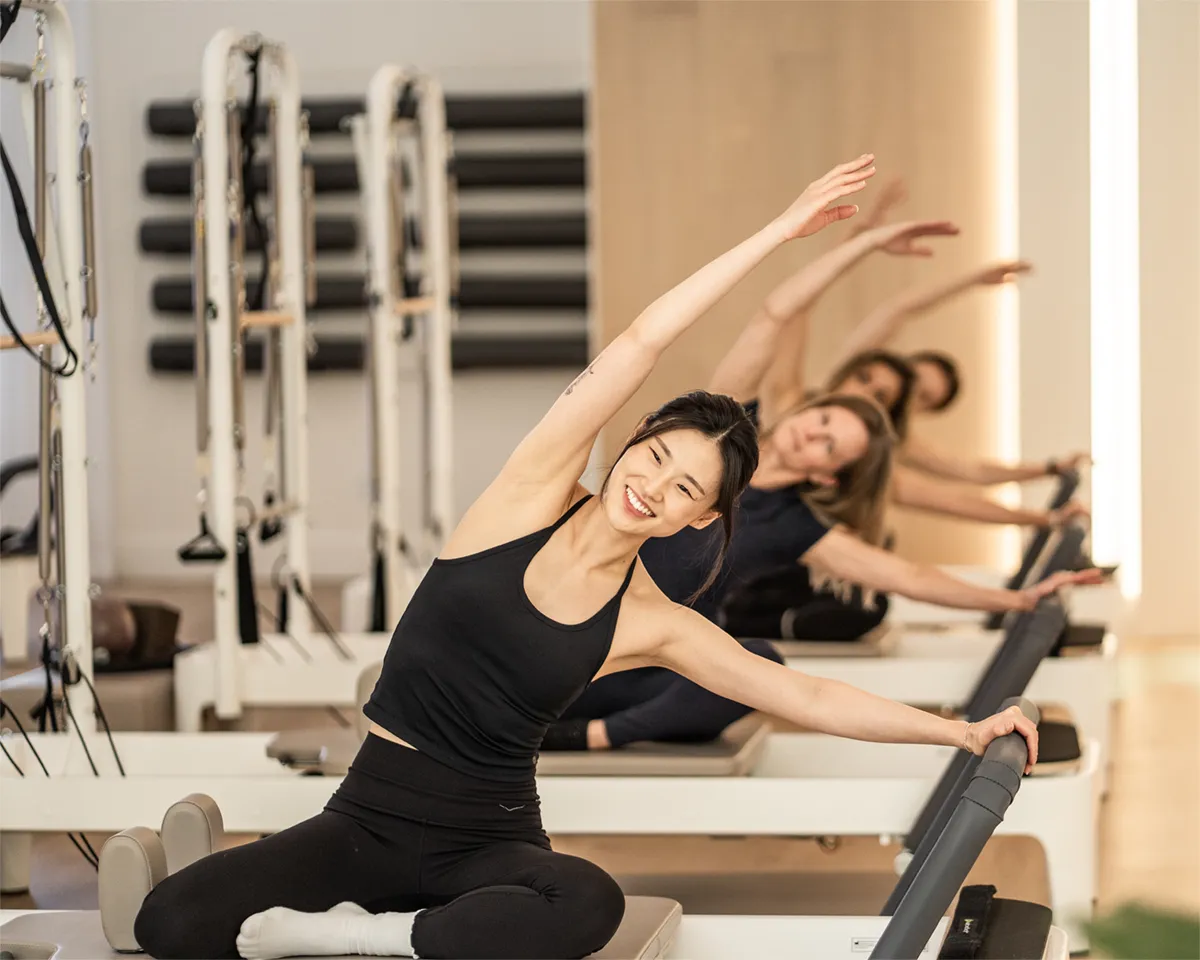
Beauty culture often presents posture as a visual correction: stand taller, pull the shoulders back and make the body appear more confident. This message can turn normal variation into a flaw. Posture is better understood as a changing response to movement, mood, task and environment rather than a fixed standard of attractiveness.
Thoughtful yoga classes Singapore residents attend can support poise and body confidence without asking every practitioner to look the same. Through balance, strength, varied movement and attention, yoga can help people feel more capable in their bodies. That confidence is based on experience, not cosmetic perfection.
Posture Is Not a Personality Test
An upright stance is often associated with confidence, while a rounded position is interpreted as insecurity. These assumptions are unreliable. Someone may stand tall while feeling anxious, or relax into a slouched position while feeling completely secure.
Yoga teaching should not assign moral or emotional meaning to body shape. It can explore how different positions feel and function while respecting that appearance alone reveals little about health or character.
Poise Includes Adaptability
Poise is not the ability to hold the body rigidly. Smooth movement requires continual small adjustments through the feet, hips, spine and gaze. A poised person can respond when balance shifts rather than trying never to move.
Standing transitions and balance poses provide a controlled place to practise these adjustments. Touching a foot down is part of learning. Recovery from a wobble can demonstrate more skill than maintaining a tense, motionless pose.
Body Confidence Develops Through Evidence
Positive affirmations can be helpful, but physical confidence often grows through repeated evidence. The practitioner discovers that they can lower into a lunge, support weight through the arms or choose a modification without embarrassment.
These experiences build trust. Progress does not require mastering advanced poses. It may involve understanding limits, moving with less hesitation or returning consistently after a break.
Mirror Feedback Has Limits
Mirrors can help a practitioner see foot placement or asymmetry, but they also encourage comparison. Attention may shift from breathing and effort to whether the body resembles someone else’s.
Occasional practice without mirrors can strengthen internal feedback. The practitioner learns to notice pressure, stability and movement quality. Visual information becomes one tool rather than the final judge.
Alignment Should Serve the Movement
Alignment cues are useful when they explain how to organise load or make a pose more comfortable. They become less helpful when applied as cosmetic rules to every body.
Bone proportions and joint structure affect how poses look. Blocks, stance changes and different ranges allow the movement goal to remain accessible. Functional organisation matters more than symmetrical appearance.
Strength Changes How the Body Is Carried
Hip, trunk and upper-body strength can make standing, walking and reaching feel more controlled. This may influence visible poise, but the underlying benefit is capacity.
Chair pose, bridge, rows using appropriate equipment, planks and balance transitions are possible tools. Strength should progress gradually and include enough recovery. Soreness is not required for confidence to grow.
The Feet Shape Whole-Body Presence
Reliable ground contact can reduce the urge to grip with the jaw, shoulders or toes. Slow weight shifts and calf raises help practitioners understand how pressure moves through the feet.
There is no one perfect distribution for every pose. A lunge, balance and relaxed standing position require different strategies. Confidence comes from being able to change them intentionally.
Breathing Can Reduce Performative Tension
Trying to look poised may lead someone to hold the stomach in, lift the chest and restrict breathing. The result appears upright but feels effortful.
Yoga can separate support from unnecessary bracing. The ribcage should be allowed to move with breathing, even when the trunk is active. A body that can breathe while working often appears more at ease.
Shoulder Position Should Follow the Arms
Keeping the shoulders constantly down and back is not necessary. The shoulder blades need to rotate and elevate when the arms reach overhead.
Wall slides, arm circles and controlled weight-bearing can improve this coordination. In relaxed standing, the shoulders can settle naturally instead of being forced into a display position.
Clothing Affects Movement Confidence
Clothing that rolls, pinches, turns transparent or requires constant adjustment can make practitioners self-conscious. Confidence is easier when the person can focus on movement instead of monitoring coverage.
The solution is not one required yoga look. Different bodies and class types need different fits. Testing garments through folds, lunges and overhead reaches is more useful than judging them only while standing.
Inclusive Teaching Broadens Belonging
When class imagery and language celebrate only thin, highly flexible bodies, many participants may feel that yoga is not for them. Instructors can counter this by offering genuine options and avoiding praise based solely on depth.
Movement quality, attention and self-selection deserve recognition. A practitioner using support can demonstrate excellent judgement. Inclusion does not lower standards. It defines success more intelligently.
Avoid Using Yoga as a Body-Correction Project
People may begin practice wanting to look taller, slimmer or more graceful. Those goals often reflect social pressure rather than a physical need. If yoga becomes constant body surveillance, it may reduce rather than improve confidence.
A healthier approach focuses on what the body can learn and tolerate. Appearance may change or remain the same. The practice can still improve agency, enjoyment and movement choice.
Balance Builds Calm Under Observation
Group classes make people aware that others are nearby, even when no one is watching closely. Balance poses expose wobbling, which can initially feel embarrassing.
Over time, practitioners learn that instability is normal. They use a wall, reset the foot and try again. Becoming comfortable with visible imperfection can support confidence beyond the physical skill itself.
Slow Transitions Create Visible Ease
Poise is often most apparent between positions. Moving slowly enough to control weight transfer reduces sudden gripping and rushed recovery.
Transitions such as rising from the floor or moving from a lunge to standing can be scaled with blocks and support. Practising them develops everyday confidence as well as a smoother class experience.
Confidence Should Include the Right to Rest
Some class cultures equate confidence with always choosing the hardest option. Genuine confidence includes recognising fatigue, taking rest and declining a movement that does not feel appropriate.
This autonomy protects long-term practice. The practitioner is no longer dependent on comparison or approval to make decisions. They can participate fully without copying every pose.
Choose a Class That Respects Individuality
At Yoga Edition, practitioners can review formats and select a level that lets them learn without constant pressure to keep up. They can also ask how instructors offer modifications and use props.
A supportive class should make people more curious about their bodies, not more critical of them. Instruction can be precise while still allowing different shapes and abilities.
Let Confidence Be Practical
Posture and poise are most useful when they make daily movement feel more assured. Carrying a bag, walking into a room, reaching overhead and recovering from a misstep all require adaptability.
Yoga can help practitioners develop that adaptability through strength, balance and attention. The outward result may look graceful, but the deeper change is the confidence to move without treating the body as a problem to display or correct.
Frequently Asked Questions
Can yoga permanently correct my posture?
Posture changes with tasks and context. Yoga can expand movement options and strength, but there is no single position to maintain permanently.
Does better posture make someone look more confident?
It may influence perception, but appearance cannot reliably reveal confidence. Practical confidence develops through experience and agency.
Should I practise in front of a mirror?
Mirrors provide occasional visual feedback, but constant checking can encourage comparison. Internal sensation and instructor guidance also matter.
Can yoga improve body image?
It may help some people appreciate function and capability. The effect depends on teaching language, class culture and individual circumstances.
Do I need fitted clothing for proper alignment?
No. Clothing should allow safe movement and comfortable coverage. Instructors can teach without requiring one specific visual style.
Why do I feel self-conscious in balance poses?
Wobbling is visible and can feel exposing. Using support and treating balance loss as normal practice can reduce that concern over time.