
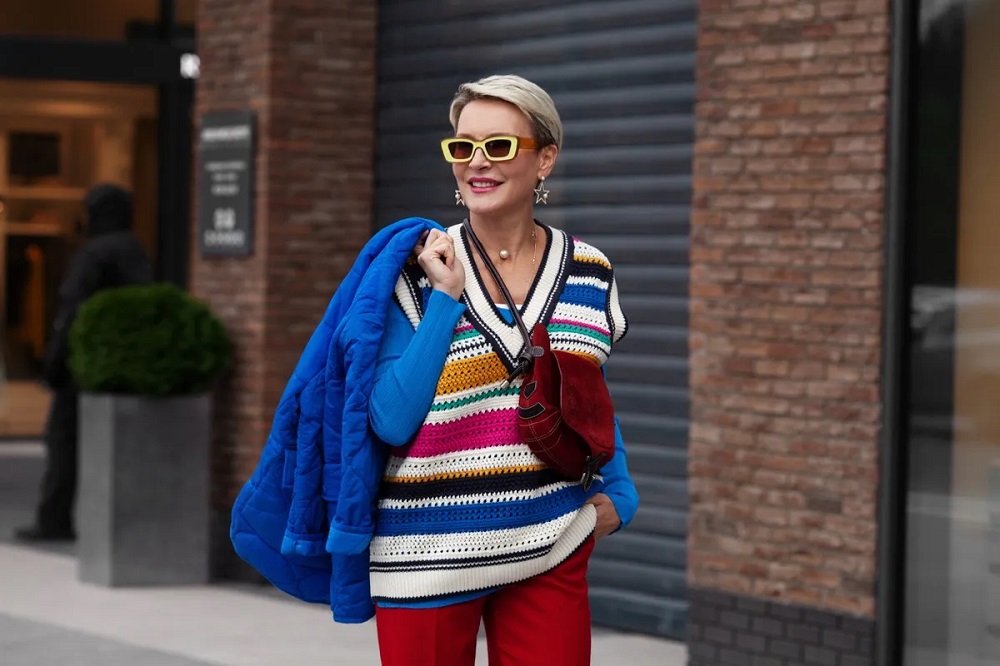
First impressions form in a matter of seconds. Long before you speak a single word, your visual presentation communicates your personality, self-respect, and attention to detail. Fashion is a non-verbal language that tells the world who you are and how you expect to be treated. While individual styles vary dramatically across cultures and personal tastes, the fundamental mechanics of making an unforgettable impression remain universal.
Creating a memorable look does not require chasing every fleeting trend or spending a fortune on high-end designer logos. Instead, it relies on intentionality, strategic choices, and a deep understanding of fit, color, texture, and personal confidence. By making deliberate sartorial choices, you turn your everyday wardrobe into a powerful tool for personal and professional empowerment.
The Foundation of Impactful Dressing: Fit and Tailoring
No matter how expensive or beautiful a garment is on a hanger, improper fit instantly diminishes its impact. A well-tailored suit made of modest fabric will always look more impressive than an ill-fitting designer garment. Clothing that fits your body correctly conveys precision, intent, and self-awareness.
The Power of Custom Alterations
Off-the-rack clothing is manufactured to fit average body measurements, meaning almost no piece will fit anyone perfectly right out of the store. Developing a relationship with a skilled tailor is one of the most effective ways to elevate your style. Small adjustments, such as shortening sleeves, nipping in a waistline, or tapering trouser legs, dramatically alter how a garment drapes across your frame.
When your clothes contour to your body without pulling, pinching, or sagging, you project an aura of custom luxury. This subtle refinement catches the eye and creates an impression of effortless polish.
Understanding Proportions and Balance
Creating a visually compelling outfit depends heavily on balance. Pairing tight garments with loose ones, or balancing voluminous silhouettes with structured elements, keeps an outfit grounded and visually harmonious.
-
High and Low Volumes: Combine a voluminous, wide-leg trouser with a fitted top, or style an oversized blazer over sleek, tailored denim.
-
Vertical Lines: Use high-waisted cuts and monochrome color stories to elongate your silhouette and create an commanding presence.
-
Structural Anchor Points: Balance flowing, soft fabrics like silk or chiffon with structured outer layers like leather or heavy wool blazers.
Mastering Color Psychology and Palette Selection
Color evokes immediate psychological and emotional responses. The strategic use of color can project authority, foster trust, or signal creative energy, making it an essential element in craftting a memorable visual identity.
Strategic Use of High-Impact Colors
Understanding the implicit message behind primary shades allows you to align your visual tone with your setting:
-
Deep Blue and Navy: These shades signal reliability, wisdom, and calm authority. They serve as exceptional choices for critical business negotiations and executive presentations.
-
Rich Crimson and Red: Red commands attention and conveys energy, passion, and decisiveness. A bold red dress, coat, or accent piece ensures you remain the focal point of a room.
-
Emerald Green and Jewel Tones: Deep jewel tones radiate wealth, sophistication, and vitality without feeling overly aggressive.
-
Monochrome Black or White: Dressing in a single neutral shade from head to toe creates a sharp, architectural look that signals high sophistication and modern elegance.
Coordinating Fabrics with Skin Undertones
A key step in ensuring your clothes highlight your natural beauty involves matching fabric hues to your natural skin undertones. Warm undertones shine in earthy terracottas, warm golds, olive greens, and creamy off-whites. Cool undertones pop against crisp bright whites, deep blues, cool grays, and true berry tones. Wearing colors that complement your skin makes you look healthier, more rested, and vibrant.
Elevating Style Through Texture and Fabric Quality
When an outfit remains within a neutral or subdued color spectrum, mixing rich textures creates visual depth and sophistication. High-quality fabrics feel luxurious against the skin and maintain their shape, structure, and drape throughout a long day.
Mixing Textures for Visual Interest
Combining contrasting materials turns a simple outfit into a compelling visual story. The tactile interplay between different fabrics adds sophistication that catches the eye upon closer inspection:
-
Pair smooth, reflective silk or satin with chunky, matte cable-knit wool.
-
Style rugged, distressed denim alongside a sharp, crisp cotton poplin button-down.
-
Layer supple, soft suede over dense, high-density cashmere.
-
Combine heavy leather outer coats with airy, flowing chiffon skirts or dresses.
Investing in Premium Natural Fibers
Synthetic materials like polyester and nylon often lack breathable comfort and tend to lose their structural integrity quickly. Choosing garments crafted from natural fibers—such as long-staple cotton, mulberry silk, pure wool, linen, and cashmere—drastically improves both the longevity of your wardrobe and your visual presentation. Natural fabrics drape with an organic weight that synthetic alternatives rarely replicate.
Accessories as the Ultimate Personal Signature
Accessories serve as the finishing touches that transform a functional outfit into a distinct personal statement. They offer an opportunity to display creativity and individuality without overwhelming the overall look.
Statement Eyewear and Timepieces
A pair of distinctive, high-quality eyeglasses or sunglasses frames your face and serves as a primary visual focal point during face-to-face interactions. Choose frames that complement your facial structure while offering a nod to classic design or bold modern geometry. Similarly, a classic, well-crafted wristwatch conveys punctuality, organization, and an appreciation for traditional craftsmanship.
Footwear That Anchors the Outfit
People frequently judge a person’s attention to detail by the state of their shoes. Wearing scuffed, worn-down, or unpolished footwear instantly undermines an otherwise immaculate suit or dress.
Invest in high-grade leather or suede footwear with classic silhouettes. Keep your shoes clean, polished, and repaired. Whether you opt for sharp leather oxfords, clean minimalist sneakers, or elegant pointed-toe pumps, keeping your footwear pristine demonstrates thorough personal care.
Curated Jewelry and Hardware
When choosing jewelry, less is often more. Rather than wearing numerous distracting pieces, opt for one or two signature items that draw positive attention. A structural cuff bracelet, a signet ring, or classic pearl earrings provide refined elegance. Pay attention to hardware consistency: matching the metal finishes on your belt buckle, bag clasps, and jewelry creates a seamless visual story.
Grooming and Posture: The Unspoken Pillars of Style
Clothing is only part of the equation. Your physical posture, personal hygiene, and grooming habits provide the framework that brings your wardrobe to life.
The Role of Immaculate Grooming
Even the most exquisite ensemble loses its impact if basic grooming is neglected. Clean, well-styled hair, manicured nails, subtle fragrances, and healthy skin complete your personal presentation. Fragrance, in particular, leaves a powerful sensory impression; choose a subtle, signature scent that leaves a delicate trail rather than overwhelming a room.
Confidence, Carriage, and Body Language
How you carry yourself alters how your clothes appear to others. Slouching causes tailored clothing to bunch and crease awkwardly, projecting uncertainty. Standing tall with your shoulders relaxed and your core engaged allows clothing to hang correctly while projecting natural authority. Authentic confidence transforms even simple garments into memorable sartorial choices.
Frequently Asked Questions
How can I make a strong fashion impression without spending a large amount of money?
Focus heavily on garment fit, care, and maintenance rather than brand names. Taking lower-priced, off-the-rack items to a local tailor for minor adjustments immediately creates a high-end look. Additionally, keeping your clothes impeccably clean, steamed, and free of lint or pilling elevates your appearance without requiring a heavy financial investment.
What is the most effective way to determine which colors look best on me?
Observe the veins on your inner wrist under natural daylight. If your veins appear blue or purple, you likely have cool undertones and look best in jewel tones and crisp cool shades. If your veins appear greenish, you likely have warm undertones and shine in earth tones and gold-based shades. Alternatively, hold silver and gold fabrics near your face; the one that brightens your skin and minimizes dark circles indicates your ideal color family.
How do I balance looking professional with standing out in a conservative workplace?
In traditional or conservative work environments, stand out through subtle quality rather than loud patterns or bright colors. Rely on impeccable tailoring, rich fabric textures like wool crepe or silk, unique architectural jewelry, and elevated footwear. A perfectly fitted monochrome suit in deep navy or forest green makes a memorable impression while adhering strictly to professional standards.
Can casual clothing like denim and t-shirts still make a sophisticated impression?
Yes, casual wear can look sophisticated when executed with high-quality basics and sharp fit. Choose dark, solid-wash denim without distressing, whiskering, or frayed hems. Pair it with a heavyweight, high-grade cotton t-shirt, a structured blazer or leather jacket, and pristine leather sneakers or loafers. This creates a clean, elevated casual look that feels intentional and refined.
What are the biggest fashion mistakes that ruin a good first impression?
The most common mistakes include wearing clothes that are visibly wrinkled, ill-fitting, or damaged. Additional style missteps include wearing shoes that are scuffed or unpolished, over-accessorizing with loud items, wearing fabrics inappropriate for the season or venue, and ignoring dress codes. Attention to fundamental grooming and garment care prevents these errors.
How do I transition my outfit smoothly from a day at the office to an evening event?
Focus on outer layers and accessories. Swap a structured daytime tote bag for a sleek handheld clutch, change comfortable flat loafers for bold heels, and add a statement piece of jewelry like a bold necklace or drop earrings. Removing a corporate blazer to reveal a sleeveless silk blouse underneath instantly transforms your overall look for evening social settings.
How many signature pieces should I wear in a single outfit?
Adhere to the rule of one primary focal point per outfit. If you are wearing a bold, brightly patterned coat or a dramatic pair of shoes, keep the rest of your clothing and accessories subtle and neutral. Wearing multiple competing signature items creates visual confusion and distracts from your overall presentation.