
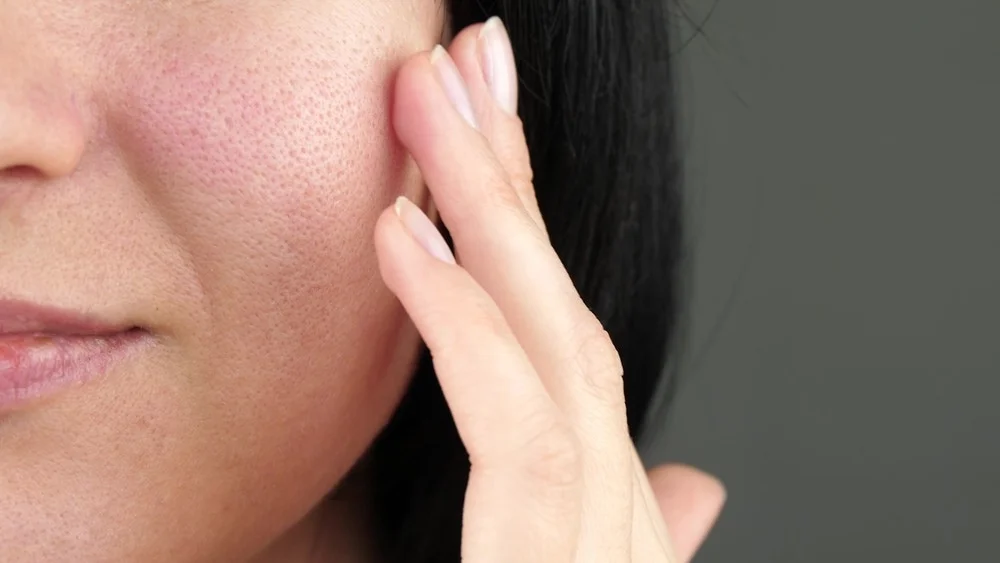
Understanding Urban Aggressors and Their Impact on Skin
Urban damage stems from a complex cocktail of airborne elements that interact continuously with the skin surface. Unlike rural air, city air carries high concentrations of microscopic pollutants that easily lodge into pores or pass directly into epidermal layers.
Understanding these primary urban stressors illuminates why standard hydration and sun protection alone are insufficient:
-
Particulate Matter (PM2.5 and PM10): Fine soot, dirt, and dust particles floating in polluted air measure as small as 2.5 micrometers in diameter. Because they are tiny—roughly 30 times smaller than a human hair—they penetrate pores deeply, carrying toxic compounds directly into skin tissue.
-
Polycyclic Aromatic Hydrocarbons (PAHs): Released from vehicular emissions and industrial combustion, PAHs bind to particulate matter. Once on the skin, they trigger cellular oxidation and degrade collagen fibers.
-
Ground-Level Ozone (O3): Formed when nitrogen oxides react with sunlight, ground-level ozone oxidizes lipids in the outermost layer of the skin, stripping away essential moisture and compromising the skin barrier.
-
High-Energy Visible (HEV) Light and Infrared Radiation: In addition to UVA and UVB rays, urban dwellers encounter significant blue light from digital devices and city lighting, alongside infrared heat from concrete structures, both of which amplify free radical production.
The Science of Free Radicals and Oxidative Stress
To grasp how antioxidants work, it is necessary to examine the molecular mechanism of skin damage: oxidative stress. Atmospheric toxins, ultraviolet rays, and chemical pollutants spark reactions that generate uncharged molecules known as free radicals or reactive oxygen species (ROS).
A free radical is an unstable atom or molecule possessing an unpaired electron in its outer shell. To achieve stability, the free radical aggressively steals an electron from nearby healthy molecules, such as lipids, proteins, or cellular DNA. This process starts a chain reaction called lipid peroxidation and cellular breakdown.
When free radical accumulation outpaces the skin’s natural defense mechanisms, the skin enters a state of oxidative stress. This biological imbalance leads to several observable signs of skin deterioration:
-
Collagen Breakdown: Oxidative stress activates enzymes called matrix metalloproteinases (MMPs), which systematically break down structural collagen and elastin, causing fine lines and sagging.
-
Hyperpigmentation: Pollution exposure stimulates melanocytes to overproduce melanin, resulting in uneven tone, dark spots, and dullness.
-
Skin Barrier Dysfunction: The oxidation of surface lipids leads to transepidermal water loss (TEWL), leaving the skin vulnerable to sensitivity, dryness, and inflammatory flare-ups.
How Antioxidants Neutralize Environmental Damage
Antioxidants act as electron donors. They neutralize free radicals by safely supplying the missing electron without becoming unstable themselves. By stepping into the chain reaction, antioxidants stop oxidative damage before it destabilizes healthy skin cells.
When applied topically or consumed through a nutrient-dense diet, antioxidants work across multiple layers of the skin:
-
Interception at the Surface: Topical antioxidants create a protective shield that quenches reactive oxygen species right as pollutants land on the stratum corneum.
-
Mitochondrial Support: Deeper within the epidermis, antioxidants protect cellular powerhouses (mitochondria) from stress-induced death, preserving normal cell renewal and energy.
-
Synergy with Sunscreen: Broad-spectrum sunscreens absorb or reflect ultraviolet rays, but they do not eliminate the free radicals caused by light exposure. Antioxidants fill this gap by sweeping up free radicals that slip past UV filters.
Key Antioxidants for Urban Defense
Not all antioxidants function identically. A well-rounded anti-pollution routine incorporates diverse compounds that target different types of oxidative stress.
Vitamin C (L-Ascorbic Acid)
Vitamin C is widely recognized as a benchmark topical antioxidant. It donates electrons efficiently, brightens hyperpigmentation caused by pollution, and aids natural collagen synthesis. Because L-Ascorbic Acid degrades quickly when exposed to light and air, stabilized derivatives such as Tetrahexyldecyl Ascorbate or Sodium Ascorbyl Phosphate are frequently utilized in modern urban skincare formulations.
Vitamin E (Tocopherol)
Vitamin E is a fat-soluble antioxidant that concentrates within the lipid layers of the skin. It prevents the oxidation of sebum and cell membranes. When combined with Vitamin C, Vitamin E exhibits a synergistic effect: Vitamin C regenerates spent Vitamin E, restoring its protective capacity repeatedly.
Ferulic Acid
Found naturally in the cell walls of plants like oats and rice, Ferulic Acid neutralizes multiple free radical types. More importantly, it dramatically stabilizes other antioxidants, doubling the photoprotective efficacy of Vitamin C and Vitamin E when formulated together.
Niacinamide (Vitamin B3)
Niacinamide stands out for its multifunctional defense capabilities. Beyond scavenging free radicals, it strengthens the skin barrier by stimulating ceramide production. It reduces inflammatory responses triggered by particulate matter and helps fade urban-induced discoloration.
Resveratrol
Extracted from grapes and berries, Resveratrol works on a genetic level by activating longevity pathways (sirtuins) within cells. It exhibits potent anti-inflammatory properties and helps neutralize free radicals caused by heavy metals and ozone exposure.
Polyphenols and Green Tea Extract
Green tea contains epigallocatechin gallate (EGCG), a polyphenol known for soothing inflamed skin. Polyphenols help intercept environmental stressors, inhibit collagen-degrading enzymes, and reduce urban redness.
Building an Effective Urban Anti-Pollution Routine
Protecting skin from city environments requires a strategic approach that combines deep cleansing, antioxidant replenishment, and physical shielding.
-
Double Cleansing at Night: The first step in mitigating pollution damage is removing particulate matter accumulated during the day. An oil-based cleanser breaks down lipophilic pollutants and heavy metals, followed by a gentle water-based cleanser to lift remaining debris.
-
Morning Antioxidant Application: Apply a high-potency antioxidant serum every morning to clean, dry skin. This equips the epidermis with protective molecules before exposure to morning commutes and outdoor air.
-
Layering Barrier-Repairing Moisturizers: Use a moisturizer containing ceramides, fatty acids, or niacinamide to lock in hydrated layers and seal out fine particles.
-
Daily Broad-Spectrum Sunscreen: Finish every morning routine with a generous layer of broad-spectrum SPF 30 or higher. Sunscreens containing physical blockers like Zinc Oxide provide an added physical barrier against floating particulates.
-
Dietary Support: Complement topical products with an antioxidant-rich diet containing berries, leafy greens, nuts, and green tea to support skin defense from within.
Frequently Asked Questions
Can antioxidants replace daily sunscreen in an urban routine?
No, antioxidants cannot replace sunscreen. Sunscreens contain specialized active filters designed to absorb or reflect ultraviolet radiation, preventing sunburn and DNA damage. Antioxidants do not absorb UV rays directly; instead, they neutralize the free radicals created when UV light and pollution interact with skin. Use antioxidants alongside broad-spectrum sunscreen for comprehensive protection.
How do I know if my skin is suffering from urban pollution damage?
Common signs of urban skin damage include persistent dullness, premature fine lines, unexplained sensitivity or redness, clogged pores from particulate build-up, and sudden hyperpigmentation or dark spots. If your skin feels dehydrated despite using heavy moisturizers, ground-level ozone may be compromising your moisture barrier.
Is it necessary to wear antioxidant products at night?
While morning application is vital for active daytime protection, nighttime application supports repair. During sleep, skin enters a restorative state where cell turnover peaks. Applying antioxidants like Resveratrol or Niacinamide at night helps repair oxidative stress incurred throughout the day.
Which antioxidant is best for sensitive skin prone to city breakouts?
Niacinamide and Green Tea Extract are ideal choices for sensitive or acne-prone skin. Niacinamide strengthens the skin barrier, regulates oil production, and calms inflammation without causing irritation. Green Tea Extract offers soothing properties while neutralizing free radicals, making both suitable alternatives if pure L-Ascorbic Acid causes redness.
Can particulate matter penetrate skin even if I wear makeup?
Yes, extremely fine particles like PM2.5 can settle onto the skin surface and lodge into pore openings regardless of makeup. However, wearing foundation or powder can sometimes act as a mild physical barrier, trapping particles before they touch direct skin tissue. Double cleansing every evening remains crucial to completely remove makeup and attached pollutants.
How quickly can one expect results from adding topical antioxidants?
Immediate benefits, such as improved hydration and reduced surface inflammation, can often be seen within two to three weeks. Broader improvements, including reduced hyperpigmentation, refined texture, and enhanced skin radiance, typically require eight to twelve weeks of consistent daily use as skin cells undergo natural turnover.
Are natural botanical oils sufficient sources of antioxidants for city protection?
While pure plant oils like Rosehip or Argan oil contain natural Vitamin E and fatty acids, they may not provide concentrated, stabilized protection against heavy urban pollution on their own. Formulated serums containing standardized concentrations of stabilized antioxidants yield more predictable, clinically tested defense against atmospheric stress.