
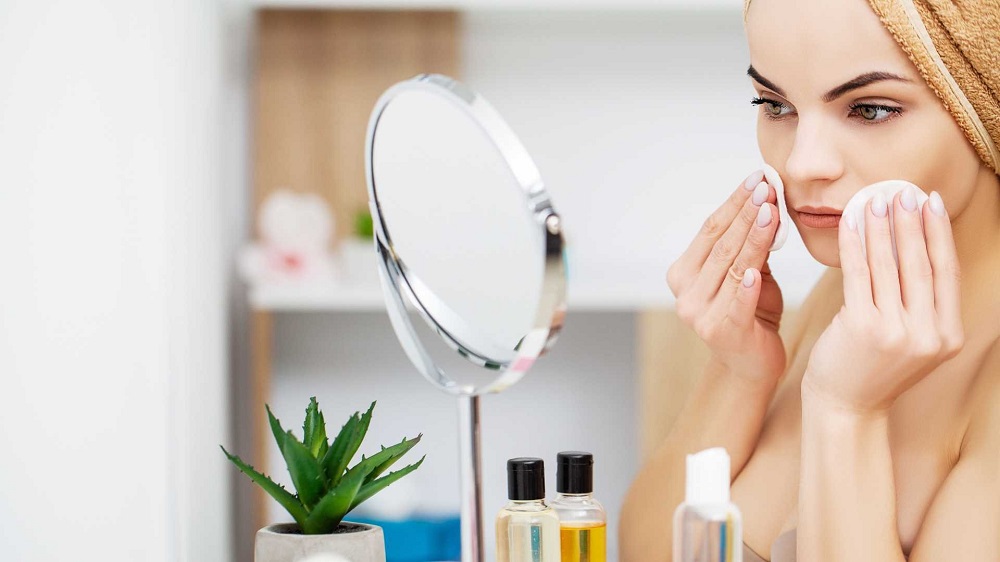
The secret to a flawless cosmetic application rarely lies in the price tag of a foundation or the brand of a setting spray. Instead, the real key to achieving a smooth, long-lasting finish is the state of the canvas underneath. Skincare and makeup are deeply interconnected disciplines, working together to create an effortless aesthetic.
When skin is dehydrated, textured, or compromised, cosmetics struggle to adhere evenly. Foundations cling to dry patches, settle into fine lines, and break down quickly over oily areas. By prioritizing a structured prep routine, you transform your skin into an ideal surface for makeup application, reducing the amount of coverage needed while dramatically improving the longevity of your look.
Understanding Skin Texture and Makeup Adhesion
The human skin undergoes a continuous process of cellular turnover, shedding millions of dead skin cells daily. Without proper surface maintenance, these microscopic dead cells accumulate, creating an uneven texture that disrupts light reflection and interferes with cosmetic formulas.
Makeup applied over rough, unexfoliated skin creates a textured appearance, often called caking. When liquid pigment interacts with dry flakes or uneven skin cells, it creates patchy, inconsistent coverage. Conversely, when the skin surface is smooth, hydrated, and well-balanced, liquid and cream cosmetics glide on smoothly, bonding effectively with the skin barrier.
Essential Skincare Steps Before Applying Makeup
Creating an ideal foundation for cosmetics does not require an overwhelming step-by-step routine. Focusing on core skincare steps tailored to prep the skin yields the best results.
Gentle Cleansing to Clear the Canvas
Starting your makeup routine on a clean base is non-negotiable. Over night or throughout the day, the skin accumulates natural sebum, environmental pollutants, and remnants of previous products. Applying fresh makeup over unwashed skin traps dirt inside pores, leads to premature makeup breakdown, and causes breakouts.
Opt for a gentle, pH-balanced cleanser that removes impurities without stripping the skin of essential moisture. Avoid harsh, drying cleansers that leave your face feeling tight, as this triggers your skin to produce excess oil later to compensate, causing foundation to slide off.
Targeted Exfoliation for Surface Smoothness
Exfoliation removes the layer of dead skin cells that prevents makeup from laying flat. Regular exfoliation creates a polished surface that allows foundation to glide on with minimal friction.
-
Chemical Exfoliants: Beta hydroxy acids like salicylic acid dissolve oil deep within pores, making them ideal for oily and acne-prone skin types. Alpha hydroxy acids like glycolic and lactic acid gently loosen dead surface cells, boosting hydration for dry and mature skin.
-
Physical Exfoliants: Gentle enzyme powders or soft micro-fiber cloths offer immediate smoothing benefits without causing micro-tears in the skin.
Limit exfoliation to two or three times a week, or use mild daily liquid exfoliants. Over-exfoliating damages the skin barrier, causing redness, stinging, and extreme dryness that makes makeup application nearly impossible.
Deep Hydration and Plumping
Hydrated skin is supple, elastic, and smooth. When skin cells are filled with moisture, fine lines look plumper, pores appear minimized, and foundation melts into the skin rather than sitting on top of it like a mask.
Incorporate lightweight, water-based hydrating serums containing humectants like hyaluronic acid, glycerin, or polyglutamic acid. These ingredients pull moisture from the surrounding environment into the upper layers of the skin, creating a fresh, bouncy surface for cosmetics. Apply serums to slightly damp skin for optimal absorption.
Moisturizing to Seal and Balance
While hydrating serums deliver water to the skin, moisturizers provide the lipids and emollients needed to lock that water in place. Choosing the right moisturizer texture depends entirely on your underlying skin type:
-
For Oily Skin: Lightweight gel-creams and oil-free lotions absorb rapidly, leaving a soft matte or natural finish without adding weight.
-
For Dry Skin: Richer creams containing ceramides, squalane, and shea butter repair the lipid barrier and soften dry, flaky patches.
-
For Combination Skin: Balanced lotion formulas nourish dry areas without overwhelming the oilier T-zone.
Allow your moisturizer to absorb fully for three to five minutes before moving on to cosmetic application. Applying foundation immediately over fresh moisturizer can cause products to mix, dilute, or pilling.
Sun Protection as a Daily Shield
Daily sunscreen application is vital for long-term skin health, preventing premature aging, hyperpigmentation, and texture irregularities. Modern sunscreens are specifically formulated to wear well under makeup without leaving a white cast or greasy finish.
Look for broad-spectrum formulas with SPF 30 or higher that double as primers. Chemical sunscreens absorb into the skin and offer a weightless finish, while mineral sunscreens containing zinc oxide offer calming benefits for sensitive or acne-prone skin types.
Tailoring Skincare Prep to Specific Makeup Finishes
The skincare products you select directly influence the final finish of your makeup. Aligning your prep steps with your desired aesthetic ensures consistency throughout the day.
Achieving a Dewy and Radiant Finish
If your goal is a luminous, glow-from-within look, focus heavily on hydration and oil-based nourishment. Layer a hydrating serum under a nutrient-rich moisturizer infused with natural oils like jojoba or rosehip. Incorporate a facial oil onto the high points of the face before foundation to enhance light reflection naturally.
Securing a Long-Wearing Matte Finish
To achieve a velvety, shine-free finish that lasts through long days, prioritize oil regulation during prep. Use a balancing, alcohol-free toner followed by an oil-free, mattifying gel moisturizer. Focus your hydration on water-based formulas that plump the skin without introducing excess oils or heavy lipids.
Long-Term Skincare Habits for Flawless Makeup
Immediate prep work yields immediate cosmetic benefits, but consistent long-term skincare habits create a naturally clear complexion that requires less makeup overall.
-
Consistent Nighttime Cleansing: Double cleansing at night ensures every trace of makeup, sunscreen, and daily pollution is removed, allowing the skin to repair itself during sleep.
-
Barrier Preservation: Avoid aggressive treatments that compromise the skin barrier. A healthy barrier keeps moisture in and irritants out, maintaining a smooth, healthy texture.
-
Internal Hydration: Drinking adequate water throughout the day supports overall skin health, complementing topical hydration efforts.
Frequently Asked Questions
Why does my foundation pill or flake off when I apply it?
Foundation pilling occurs when the formulas of your skincare and makeup conflict with one another. The most common culprit is mixing silicone-based products with water-based products, or applying makeup before your skincare products have fully absorbed into the skin. To stop pilling, wait three to five minutes after applying moisturizer before putting on foundation, and check that your primers and foundations share compatible bases.
Is a dedicated makeup primer necessary if I do a full skincare routine?
A dedicated makeup primer is not strictly necessary if your skincare routine is well-balanced. High-quality moisturizers and sunscreens often double as effective bases for foundation. However, primers serve specific functional purposes—such as filling deep pores, offering intense oil control, or providing color correction—that basic skincare products may not fully cover.
How long should I wait between my skincare routine and applying makeup?
Wait at least three to five minutes after completing your skincare routine before applying makeup. This resting period allows your serums, moisturizers, and sunscreens to sink into the skin and form a uniform layer, preventing your foundation from sliding around or mixing improperly with wet skincare products.
Should I use facial oils in my morning skincare routine before makeup?
Facial oils can be used before makeup, but they must be applied strategically. If you have dry skin, a drop or two of lightweight facial oil mixed into your moisturizer or pressed onto high points of the face creates a radiant glow. However, if you have oily skin or prefer a matte makeup finish, avoid morning facial oils, as they break down the pigments in foundation over time.
How can I stop my makeup from settling into fine lines under my eyes?
Settling under the eyes usually stems from dehydration or applying too much product. Apply a lightweight, hydrating eye cream containing hyaluronic acid or peptides prior to makeup, allowing it to absorb fully. Use a minimal amount of lightweight, hydrating concealer and set it lightly with a finely milled translucent powder using a soft brush.
Can using the wrong skincare products cause my makeup to change color?
Yes, certain rich oils and heavy chemical compounds in skincare can cause foundation oxidation, turning your makeup slightly darker or orange as the day progresses. Excessive surface oil production caused by overly harsh, drying cleansers can also trigger oxidation. Using balanced, oil-free skincare formulas helps maintain your foundation’s true color.
Does exfoliation right before makeup application improve or ruin the finish?
Gentle chemical exfoliation or mild enzyme washes done prior to makeup can create an exceptionally smooth surface. However, aggressive physical scrubbing or strong acid peels immediately before makeup application causes irritation, redness, and micro-flaking, leading to patchy, uneven makeup application. Keep deep exfoliation treatments for your nighttime routine.