
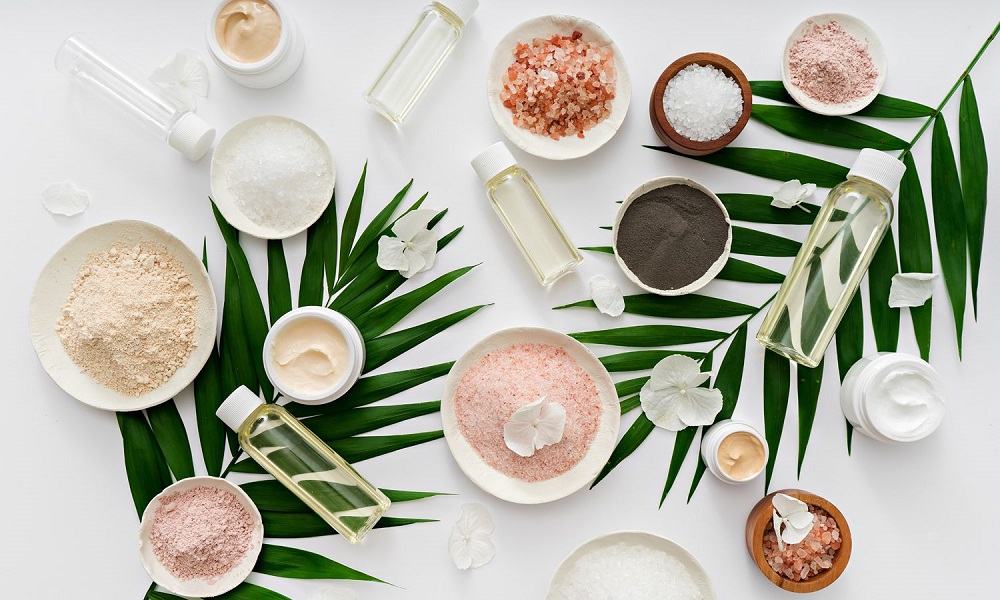
Navigating the skincare aisle can feel like deciphering a chemistry textbook. With hundreds of serums, creams, and cleansers boasting complex chemical names and miraculous claims, finding the right products for your skin can be overwhelming. Understanding active ingredients empowers you to cut through marketing hype, build a effective skincare routine, and select products tailored to your unique skin concerns.
Active ingredients are the compounds within a formulation designed to target specific skin conditions, such as acne, hyperpigmentation, fine lines, or dehydration. Demystifying these key ingredients helps you build a safe, results-driven skincare regimen that protects your skin barrier and improves long-term skin health.
Core Hydrators and Barrier Repair Actives
Hydrated skin is resilient, plump, and healthy. Without adequate moisture and a strong lipid barrier, skin becomes prone to irritation, premature aging, and environmental damage.
Hyaluronic Acid: The Ultimate Humectant
Hyaluronic acid is a naturally occurring sugar molecule found within the human body, concentrated heavily in skin tissues. It functions as a humectant, meaning it draws water from the surrounding atmosphere and deeper skin layers directly into the outer epidermis.
-
Key Benefit: Hyaluronic acid can hold up to 1000 times its weight in water, instantly plumping fine lines and restoring skin elasticity.
-
Best For: All skin types, particularly dehydrated, dry, or aging skin.
-
Usage Tip: Always apply hyaluronic acid serums to damp skin. If applied to bone-dry skin in arid environments, it can draw moisture out from the deeper layers of your skin, increasing dryness.
Ceramides: The Barrier Builders
Ceramides are lipids (fat molecules) that make up over 50 percent of the natural skin barrier. Think of your skin cells as bricks; ceramides act as the mortar holding them together, preventing moisture loss and blocking environmental pollutants.
-
Key Benefit: Ceramides repair a compromised moisture barrier, soothe irritation, and lock in essential hydration.
-
Best For: Sensitive, dry, compromised, or eczema-prone skin types.
-
Usage Tip: Look for creams containing a combination of ceramides, cholesterol, and fatty acids, as this golden ratio mimics your skin’s natural barrier composition.
The Exfoliants: Chemical Acids
Traditional mechanical scrubs containing crushed shells or sugar can create microscopic tears in the skin. Modern chemical exfoliants use gentle acids to dissolve the cellular glue holding dead skin cells together, revealing smoother, brighter skin underneath.
Alpha Hydroxy Acids (AHAs): Surface Resurfacers
Alpha hydroxy acids are water-soluble acids derived from fruits, milk, or sugar cane. The most common AHAs are glycolic acid and lactic acid.
-
Glycolic Acid: Features the smallest molecular size among AHAs, allowing it to penetrate deep into the skin to boost collagen synthesis and refine coarse texture.
-
Lactic Acid: Has a larger molecular structure, making it a gentler option that exfoliates while simultaneously providing hydration.
-
Key Benefit: AHAs smooth surface texture, fade dark spots, and brighten dull complexions.
-
Best For: Normal, dry, sun-damaged, or mature skin.
Beta Hydroxy Acid (BHA): Deep Pore Cleansers
Salicylic acid is the primary beta hydroxy acid used in skincare. Unlike AHAs, salicylic acid is oil-soluble, meaning it penetrates deep into pores to dissolve trapped sebum, dead skin cells, and debris.
-
Key Benefit: Unclogs pores, reduces blackheads, and calms inflammation associated with active breakouts.
-
Best For: Oily, combination, and acne-prone skin.
-
Usage Tip: Because BHA penetrates deeply, start by using it two to three times per week to avoid over-drying your skin.
Powerhouse Antioxidants and Brighteners
Environmental aggressors like ultraviolet radiation, pollution, and blue light generate free radicals—unstable molecules that break down collagen and accelerate premature aging. Antioxidants neutralize these free radicals, shielding your skin cells from oxidative stress.
Vitamin C: The Brightening Shield
L-ascorbic acid, the purest form of Vitamin C, is a potent antioxidant revered for its ability to protect and restore skin vibrancy.
-
Key Benefit: Neutralizes free radicals, stimulates collagen production, inhibits melanin synthesis to fade hyperpigmentation, and brightens overall skin tone.
-
Best For: Anyone looking to address dark spots, sun damage, or dullness.
-
Usage Tip: Apply Vitamin C serums in the morning under your broad-spectrum sunscreen. Vitamin C and SPF work synergistically to provide enhanced protection against sun damage.
Niacinamide: The Versatile Multitasker
Niacinamide, also known as Vitamin B3, is one of the most versatile and well-tolerated ingredients in modern dermatology.
-
Key Benefit: Regulates sebum production, minimizes the appearance of enlarged pores, strengthens the skin barrier, reduces redness, and fades post-acne marks.
-
Best For: Virtually all skin types, including sensitive and rosacea-prone skin.
-
Usage Tip: Niacinamide pairs exceptionally well with almost all other active ingredients, including retinol, hyaluronic acid, and chemical exfoliants.
Anti-Aging and Cell-Communicating Ingredients
Cell-communicating ingredients instruct damaged or aging skin cells to behave like younger, healthier cells, encouraging rapid renewal and repair.
Retinoids: The Gold Standard
Retinoids are derivatives of Vitamin A, ranging from over-the-counter retinol and retinaldehyde to prescription-strength tretinoin. Retinoids accelerate cellular turnover and stimulate deep collagen synthesis.
-
Key Benefit: Smooths fine lines and deep wrinkles, firms sagging skin, clears acne, and improves overall skin texture and tone.
-
Best For: Mature, acne-prone, or sun-damaged skin.
-
Usage Tip: Retinoids are powerful and can cause peeling, redness, or dryness initially. Introduce them slowly—once or twice a week at night—and always apply a broad-spectrum sunscreen during the day, as retinoids increase sun sensitivity.
Peptides: The Building Blocks
Peptides are short chains of amino acids that serve as the building blocks of essential skin proteins like collagen, elastin, and keratin.
-
Key Benefit: Sends signals to skin cells to produce fresh collagen, improving skin firmness, elasticity, and barrier resilience without causing irritation.
-
Best For: Sensitive or mature skin looking for anti-aging benefits without the potential irritation of retinoids.
Essential Sun Protection
No skincare routine is complete without daily sun protection. Sun damage is responsible for up to 80 percent of visible facial aging, including wrinkles, sagging, and age spots.
Physical vs. Chemical Sunscreens
-
Physical (Mineral) Filters: Ingredients like zinc oxide and titanium dioxide sit on top of the skin, physically deflecting UV rays. They are gentle, immediate in their protection, and ideal for sensitive or acne-prone skin.
-
Chemical Filters: Compounds like avobenzone, octisalate, and homosalate absorb into the skin and convert UV rays into harmless heat. They offer lightweight, invisible coverage that wears effortlessly under makeup.
Frequently Asked Questions
Can I use Retinol and Vitamin C together in the same routine?
While both are powerhouse ingredients, using them at the exact same time can trigger significant irritation, redness, and peeling, especially for sensitive skin. The most effective approach is to separate them by time of day: apply Vitamin C in the morning to benefit from its antioxidant protection against sun damage, and reserve Retinol for your nighttime routine to support cellular repair while you sleep.
How long does it typically take to see results from active skincare ingredients?
Skincare requires patience, as cellular turnover takes roughly 28 to 40 days depending on your age. Hydrating ingredients like Hyaluronic Acid show immediate plumping effects within minutes. However, structural correctors like Niacinamide, Vitamin C, and chemical exfoliants require consistent use for four to eight weeks before noticeable improvements appear. Retinoids often take three to six months of regular evening application to deliver significant collagen-building and anti-aging benefits.
What is the difference between skin hydration and skin moisturization?
Hydration refers to adding water into your skin cells using humectants like Hyaluronic Acid or Glycerin, making the skin look plump and Bouncy. Moisturization refers to trapping that water inside the skin using emollients and occlusives like Ceramides, squalane, or plant oils to reinforce the skin barrier. Dehydrated skin lacks water, while dry skin lacks natural oils; most balanced routines require both hydration and moisturization.
How do I know if my skin barrier is damaged?
A damaged skin barrier manifests as persistent redness, stinging or burning when applying gentle products, excessive dryness, flaking, tightness, or sudden unexplained breakouts. If your barrier is compromised, immediately pause all active ingredients—including chemical exfoliants, Vitamin C, and Retinoids. Switch to a simplified routine consisting solely of a gentle pH-balanced cleanser, a Ceramide-rich moisturizer, and a mineral sunscreen until your skin recovers.
Are physical mineral sunscreens better than chemical sunscreens?
Neither type is inherently superior; the best sunscreen is the one you enjoy wearing every single day. Physical sunscreens containing Zinc Oxide are gentler, less likely to sting sensitive eyes, and ideal for reactive or rosacea-prone skin. Chemical sunscreens tend to offer more elegant, weightless formulations that leave zero white cast, making them popular for darker skin tones and everyday wear under cosmetics.
What should I do if a new skincare ingredient causes my skin to break out?
First, determine whether your skin is purging or experiencing a reaction. Purging occurs when ingredients that accelerate cell turnover (like Retinoids or AHAs/BHAs) bring pre-existing clogged pores to the surface quickly, resulting in small blemishes in areas where you normally break out. If you experience breakouts in new areas alongside redness, itching, or burning, you are likely having an adverse reaction and should discontinue using the product immediately.
Can oily skin types skip using moisturizer?
No, oily skin still requires daily moisturization. When you skip moisturizer, your skin often becomes dehydrated, which signals your sebaceous glands to produce even more oil to compensate for the perceived lack of moisture. Oily skin types should opt for lightweight, oil-free gel moisturizers rich in Hyaluronic Acid and Niacinamide that hydrate and balance without clogging pores.